

As retirement approaches, the way you think about investing often shifts. Strategies that worked during your accumulation years may not align with your evolving income needs, time horizon, or priorities. Understanding risk and reward in retirement investing is an essential part of building a plan that reflects both your financial goals and your comfort with uncertainty.
At Frazie Wealth Management, we view risk not only in terms of market fluctuations but also in terms of how your investment strategy supports—or challenges—your ability to live the life you’ve envisioned. It’s not about chasing the highest return; it’s about balancing potential growth with the ability to access your resources when and how you need them.
Let’s explore what risk and reward mean in retirement and how they can inform the investment decisions you make moving forward.
What Risk Looks Like in Retirement
While most investors are familiar with market risk—the potential for investment values to rise or fall—retirement introduces several new risk considerations. These may include:
- Longevity risk: The possibility of outliving your savings
- Sequence of returns risk: The impact of withdrawing funds during a market downturn
- Inflation risk: The rising cost of living reducing purchasing power over time
- Interest rate risk: Changes in rates affecting fixed-income investments
The common theme across these risks is that they may affect your ability to maintain your desired lifestyle. Understanding how these risks relate to your personal retirement plan is the first step toward designing a more adaptable and sustainable investment strategy.
Understanding the Potential for Reward
During working years, investment “reward” is often equated with growth potential. But in retirement, the definition becomes more nuanced. For many retirees, reward may include:
- Potential for income from dividends or interest
- Lower portfolio volatility
- Liquidity and access to funds
- Stability during market turbulence
- Alignment with personal values or long-term legacy plans
Risk and reward in retirement investing become less about aggressive accumulation and more about preserving resources while still allowing for modest growth, especially to keep pace with inflation and future needs.
Finding the Right Balance
So, how can retirees strike the right balance between preserving their assets and allowing for potential returns? While there’s no single formula, a few key strategies may help:
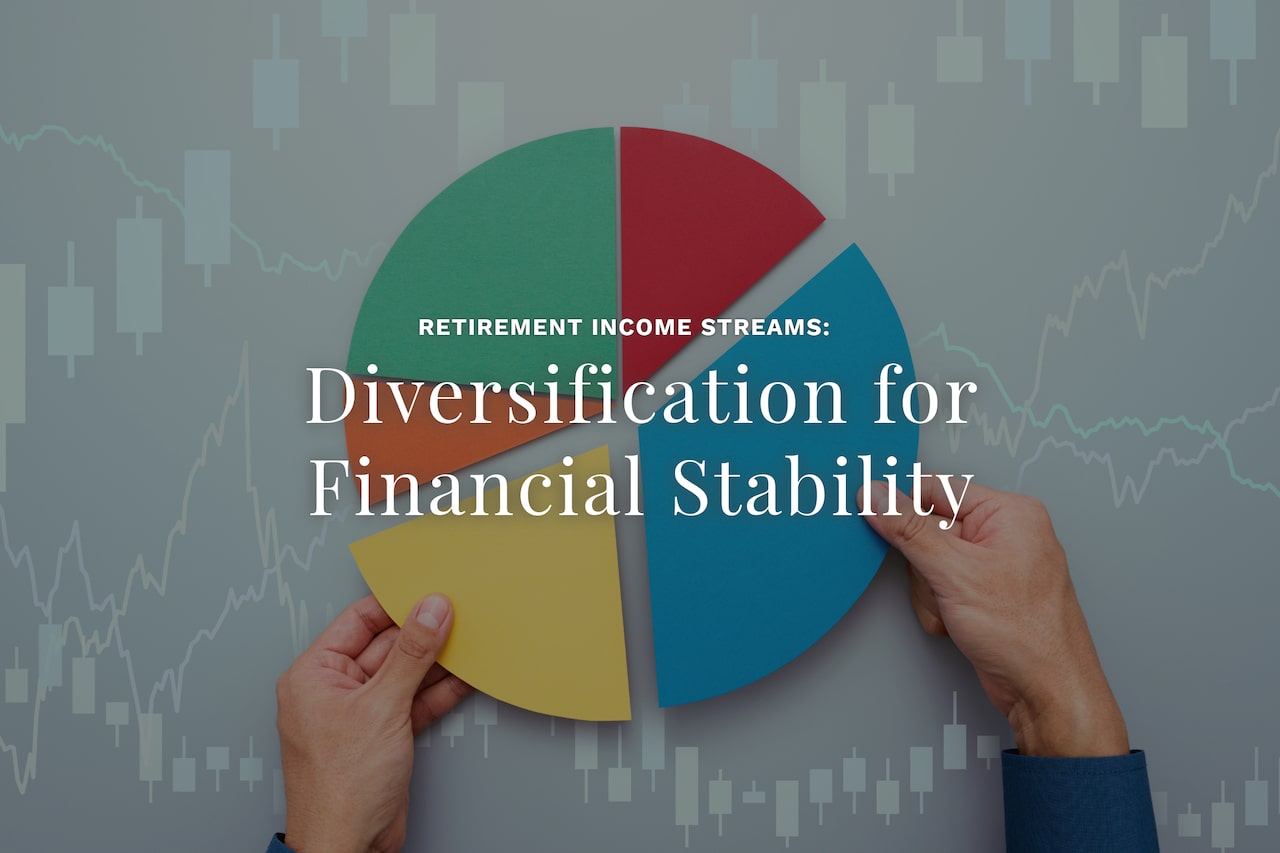
- Diversification Across Asset Types
Holding a mix of equities, bonds, and other investment vehicles can help manage downside risk. Diversification is not a guarantee against loss but can help reduce the impact of volatility on your portfolio.
- Bucket or Segmentation Strategies
Many retirees use a “bucket” strategy—allocating funds into different categories based on short-term, mid-term, and long-term needs. This can allow for more stability in the early years of retirement while maintaining growth potential for later stages.
- Risk Tolerance Reassessment
Your comfort level with investment risk may change over time. Reassessing your risk tolerance and adjusting your portfolio accordingly is a critical part of retirement planning.
- Income Planning Integration
Evaluating how your investment portfolio supports a consistent income stream is a key consideration. Aligning investment withdrawals with Social Security, pensions, or annuity payments may help meet spending needs while preserving other assets.
At Frazie, we integrate these concepts into a broader strategy designed to align with your evolving priorities.
The Human Side of Investment Decision-Making
While data and financial models play an important role in planning, emotions often influence decision-making during retirement. Market downturns may feel more personal when you’re no longer earning a paycheck, and decisions about spending, gifting, or giving can become more complex.
Frazie Wealth Management’s process includes space for listening and understanding the full context of your financial life. We help clients think through not only the numbers but also the purpose behind their investments.
Reassessing Risk and Reward Over Time
Just as your life evolves during retirement, so should your investment strategy. Health changes, new goals, economic shifts, and family transitions can all affect your approach.
That’s why periodic reviews are a built-in part of our planning process. We revisit your investment strategy regularly to make sure it continues to reflect your objectives, risk tolerance, and lifestyle needs.
Making Informed Investment Choices in Retirement
Evaluating risk and reward in retirement investing isn’t a one-time decision—it’s an ongoing process of aligning your financial resources with your personal goals. Whether you prioritize stability, flexibility, legacy planning, or all of the above, your investment strategy should reflect your unique vision for the future.
At Frazie Wealth Management, we work to help you bring clarity and purpose to your financial strategy. If you’d like to review how your portfolio aligns with your current stage of life, we invite you to schedule a conversation.