

The ups and downs of the financial markets are nothing new, but when you’re nearing or living in retirement, their impact may feel more personal. The relationship between market volatility and retirement planning can influence how you manage investments, draw income, and maintain your long-term strategy. Rather than reacting to headlines or sudden market dips, it may be more useful to revisit your financial approach and evaluate how well it aligns with your retirement goals.
At Frazie Wealth Management, we help clients assess how market movement intersects with their broader wealth strategy. The key is not predicting the next downturn—but preparing for the possibility of one.
Understanding Market Volatility in the Retirement Context
Volatility is a measure of how drastically investment prices move over a period of time. While it’s a normal part of investing, it can feel unsettling—especially when you’re depending on investment income to support your lifestyle.
For retirees, market fluctuations can influence:
- The value of investment accounts
- Withdrawal timing and strategy
- Emotional decision-making
- The sustainability of long-term income plans
That’s why it’s critical to review your retirement plan with a long-term lens. A plan that works in stable market conditions should also consider how to adapt during periods of uncertainty.
Planning for Market Volatility in Retirement
As you shift from accumulation to distribution, your risk exposure may need to change. This doesn’t necessarily mean abandoning growth investments—but it often means building in layers of flexibility and adjusting how you draw income.
Some of the most common planning considerations include:
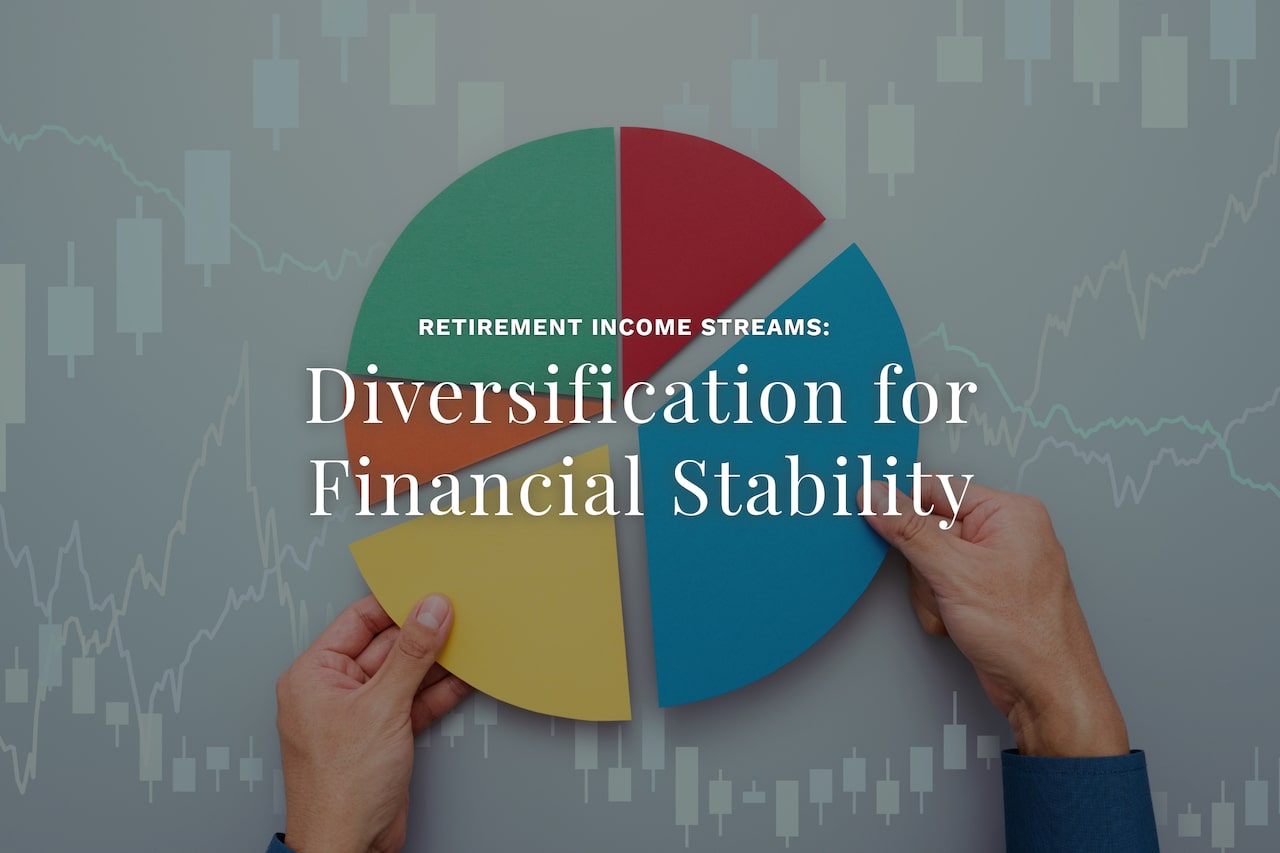
- Diversifying income sources: Blending income from retirement accounts, pensions, annuities, or taxable investments can provide options if one area is impacted by volatility.
- Rebalancing your portfolio: Adjusting your investment mix periodically helps maintain your target asset allocation.
- Sequencing withdrawals strategically: Taking funds from more stable or conservative assets during downturns may reduce the need to sell equities at a loss.
- Revisiting risk tolerance: Market conditions, health changes, or shifting lifestyle goals can all impact how much risk feels appropriate.
In all of these areas, market volatility and retirement planning go hand-in-hand. A strong plan doesn’t just focus on growth—it prepares for the unexpected.
Avoiding Emotional Reactions to Market Swings
It’s common to feel the urge to take action during a market dip. However, short-term decisions based on fear can derail even the most thoughtfully constructed plan. Selling investments at a loss, shifting too heavily into cash, or delaying needed withdrawals can all carry unintended consequences.
Instead, consider market changes as an opportunity to reassess your strategy—not abandon it. Ask yourself:
- Does my current plan still support my long-term goals?
- Are my withdrawal strategies flexible enough to handle downturns?
- Have I prepared for income needs through a variety of sources?
A thoughtful retirement strategy accounts for volatility from the start, giving you a clearer framework to navigate uncertain conditions.
Monitoring Retirement Milestones Through Market Cycles
Market downturns can happen at any point—but their timing may matter more when you’re approaching retirement milestones. For instance:
- Five years before retirement: You may want to evaluate whether your investment allocation still reflects your retirement timeline and lifestyle goals.
- At retirement: Social Security or pensions may contribute to covering core expenses, particularly if investment returns are inconsistent.
- During early retirement years: This phase can be vulnerable to “sequence of returns risk,” where negative returns early in retirement may have long-term effects.
Working with a financial planner can help align your investment plan with your timeline. At Frazie, our process includes frequent reviews to help evaluate whether strategies remain aligned with market conditions and personal needs.
Keeping Perspective During Uncertain Times
While headlines may focus on day-to-day fluctuations, your retirement strategy should be designed for years—even decades. Adjustments can and should be made, but it’s important to evaluate them in the context of your entire financial picture.
We encourage clients to view market volatility as a factor to plan for, not a threat to fear. Through consistent reviews and a focus on purpose-driven financial planning, retirees can stay grounded even when the market feels unpredictable.
The Role of Personalization in Retirement Planning
Not all retirees experience market cycles the same way. Your income needs, health status, family support systems, and retirement goals shape how you interact with risk. That’s why a one-size-fits-all approach rarely fits well in practice.
At Frazie Wealth Management, we tailor our planning strategies to reflect your unique life—not just your asset totals. Whether it’s adjusting withdrawal strategies, revisiting income planning, or aligning investments with your values, we approach retirement planning as a process, not a one-time decision.
Planning Ahead with Flexibility
Understanding the connection between market volatility and retirement planning can help you adapt your strategy with greater intention. While you can’t predict the future, you can take steps to build a plan that’s built to adjust as needed—one that reflects your life goals and your tolerance for risk.
If you’re uncertain about how recent market shifts could impact your retirement, we invite you to schedule a conversation with Frazie Wealth Management. Together, we can review your current approach and explore thoughtful adjustments that reflect your long-term priorities.