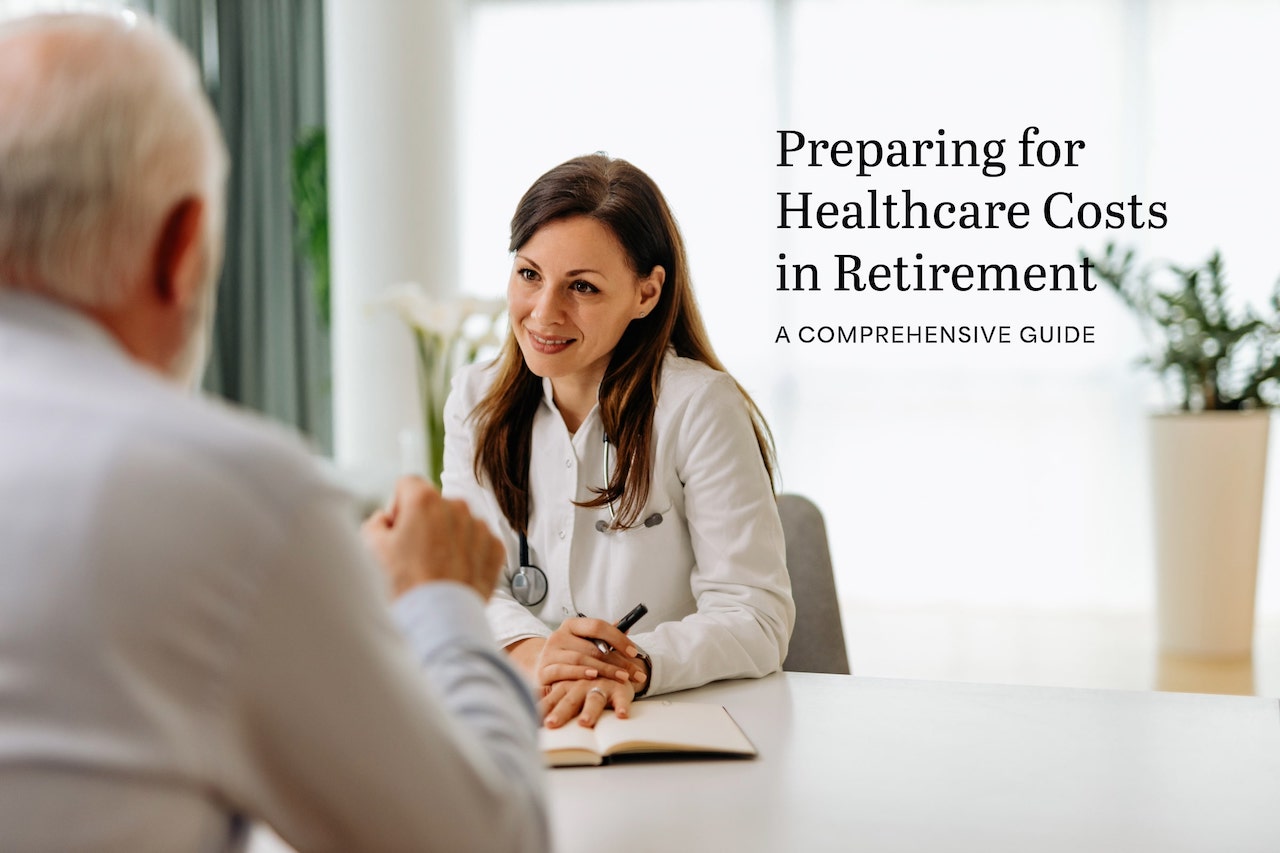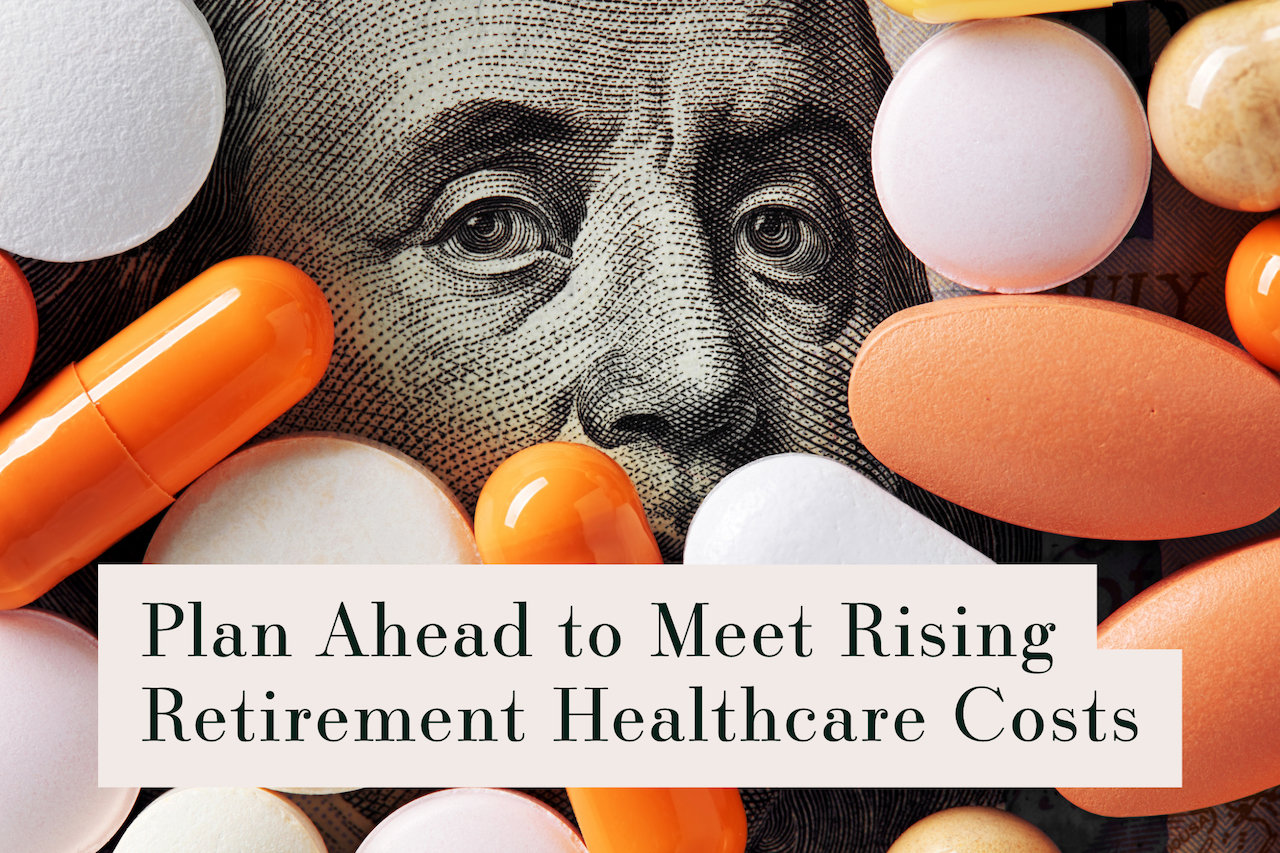


Healthcare is one of the most unpredictable yet significant expenses retirees face. As medical technology advances and life expectancy increases, so do the costs of care, treatment, and insurance. Understanding the impact of rising healthcare costs in retirement is essential for building a plan that addresses these potential challenges thoughtfully and realistically.
The Role of Healthcare in Retirement Planning
While many people budget for housing, travel, and daily expenses in retirement, healthcare is often underestimated—or planned for only at a surface level. Medicare provides foundational coverage, but it doesn’t cover everything. Supplemental insurance, out-of-pocket expenses, long-term care, and prescription costs can all add up, sometimes unexpectedly.
Healthcare planning isn’t just about estimating premiums—it’s about preparing for the financial variability that often accompanies aging. Costs can change based on your health, your location, and policy decisions that affect Medicare or private insurance programs.
Why Healthcare Costs Are on the Rise
Several factors contribute to the steady increase in healthcare costs:
- Longer life spans: More retirees are living into their 90s and beyond, which naturally leads to higher cumulative healthcare spending.
- Chronic conditions: A growing number of retirees manage multiple chronic conditions that require ongoing medication and doctor visits.
- Medical inflation: The cost of services, procedures, and medications has historically outpaced general inflation.
- Shifting costs: Retirees may take on more personal responsibility for healthcare expenses as employer-sponsored retiree benefits become less common.
Understanding these trends can help retirees better prepare for the potential financial impact and make adjustments to their retirement strategy.
How Healthcare Expenses Affect Retirement Income
Rising healthcare costs in retirement may influence how much income you need and how your assets are allocated. Without proactive planning, increased medical spending can reduce the funds available for lifestyle needs or long-term goals.
Some retirees may choose to increase their savings before retirement, while others may evaluate insurance strategies to offset potential costs. It’s also important to review income distribution plans to account for healthcare as a fixed or semi-variable expense in retirement.
Considering Long-Term Care in the Equation
A significant portion of healthcare spending in later years is related to long-term care, whether in a facility or at home. This type of care is typically not covered by Medicare, which is why long-term care planning is an essential part of evaluating the broader impact of rising healthcare costs in retirement.
Depending on individual needs and preferences, options may include:
- Purchasing a long-term care insurance policy
- Evaluating hybrid life insurance products with long-term care benefits
- Allocating a portion of retirement assets for future care
Discussing these options with a financial professional can help clarify what may be most appropriate for your circumstances.
Evaluating Medicare and Supplemental Insurance Options
Medicare Part A and B provide a foundation, but retirees often add supplemental coverage (Medigap) or switch to Medicare Advantage to fill in the gaps. Prescription drug coverage through Part D is also an important consideration.
Choosing the right combination of coverage can help manage costs more effectively. Premiums, copays, and out-of-pocket limits can vary significantly between plans, so reviewing them annually—especially during open enrollment—is a key part of a responsive retirement strategy.
Adjusting Your Plan Over Time
Retirement planning is not a one-time event—it’s an ongoing process. Rising healthcare costs in retirement may prompt necessary adjustments as your health, financial resources, and life priorities evolve. Regular plan reviews can help you respond to unexpected medical needs or changes in the insurance landscape, while aiming to maintain your financial stability.
Aligning Healthcare Costs with a Broader Strategy
At Frazie Wealth Management, we believe in addressing all aspects of your financial life as part of a cohesive strategy. Rising healthcare costs in retirement are one of many variables that influence decisions about savings, income, investments, and legacy planning. When each piece of your financial puzzle is considered in the context of the others, you can move forward with a more informed perspective.
Preparing for Rising Healthcare Costs in Retirement
Although the exact cost of future medical care is uncertain, planning with thoughtful assumptions and integrated strategies can help you prepare more effectively. A good starting point is to review your current and projected healthcare expenses and consider how they align with your retirement income plan.
Working with a professional who understands how healthcare fits into the larger financial picture may help you identify gaps, evaluate insurance options, and structure your income sources in a way that supports your lifestyle and evolving needs.
Let’s Talk About Your Healthcare Planning Strategy
If you’re thinking about how rising healthcare costs in retirement could impact your financial strategy, we’re here to help. At Frazie Wealth Management, we work with individuals and families to create personalized plans that integrate healthcare considerations into a broader retirement vision. Reach out to schedule a conversation and take the next step in aligning your financial strategy with your life goals.